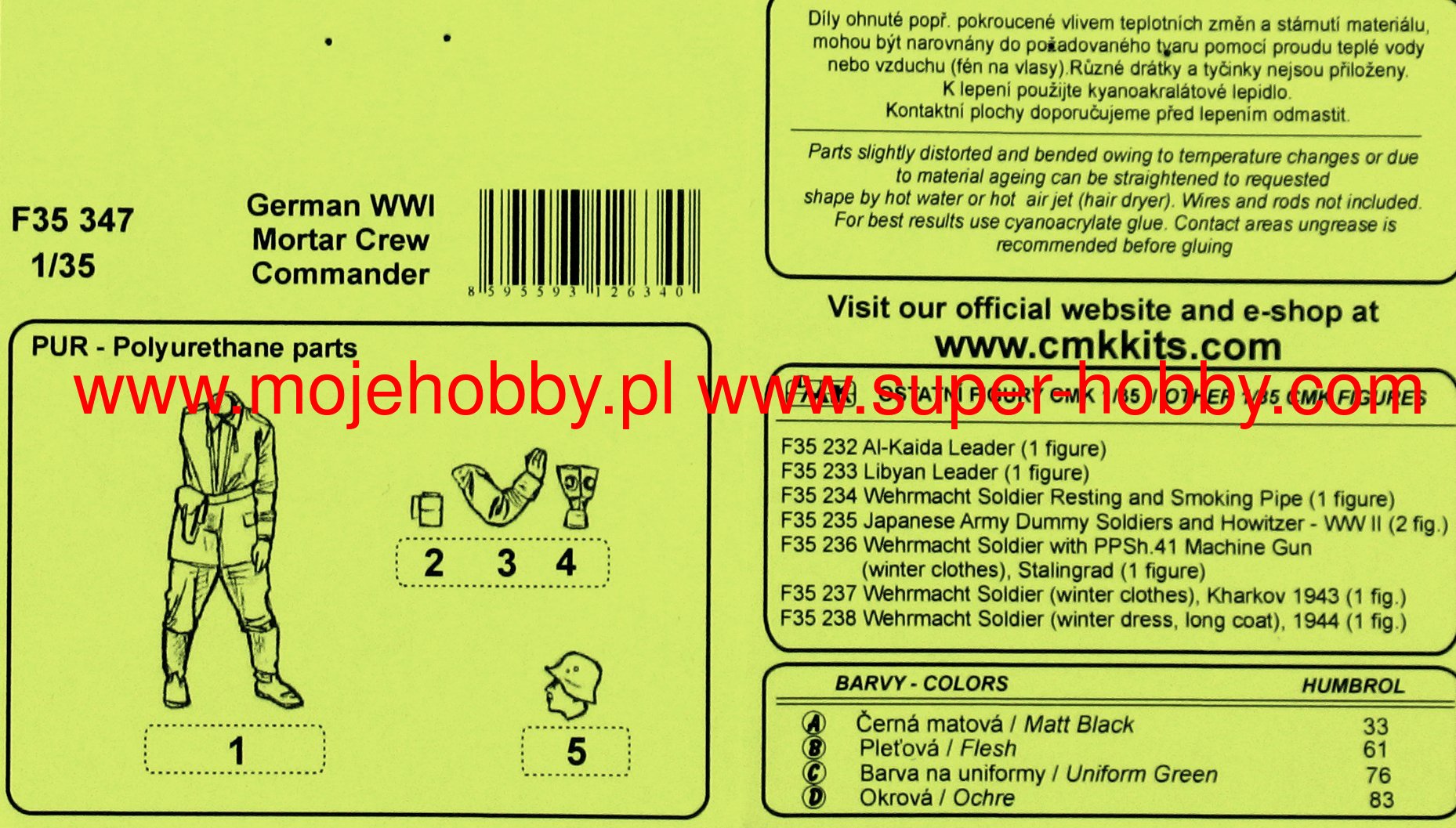
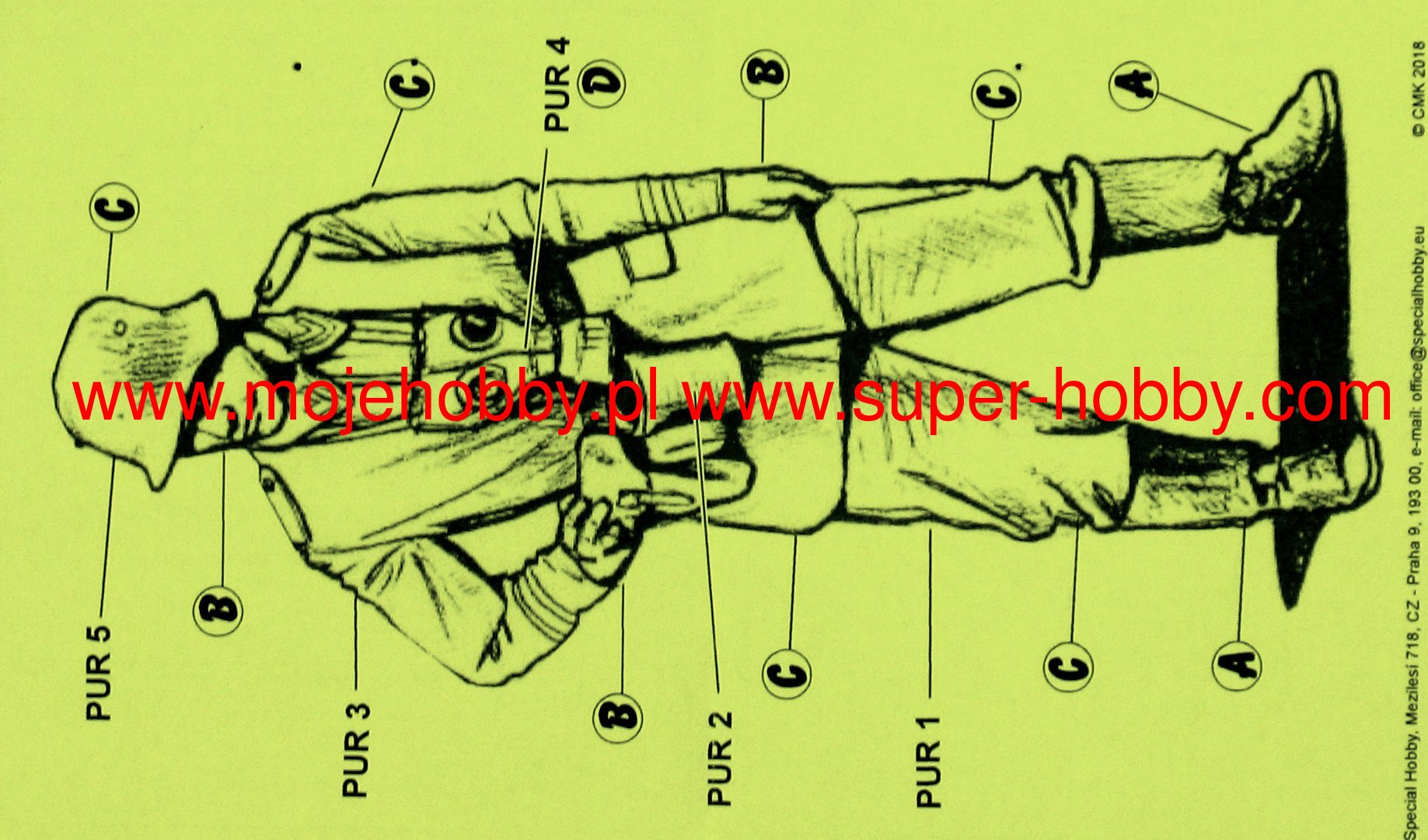
The armed forces of imperial Germany became interested in the so-called mine throwers (Ger. Minenwerfer), a high-speed artillery weapon with a relatively short range, but a high fire power, even before the explosion World War I in August 1914. The Germans watched the Japanese-Russian war of 1905-1906 with great attention, and a year after its end (1907), they began to develop this type of weapon. Three years later (1910) they put into service the first mine thrower, the 25 cm Schwerer Minenwerfer. It is assumed that in August 1914, about 45-50 pieces of these weapons were in service in the German army and they were successfully used against the fortifications in Liege, Namur and Maubeuge. It is worth adding that in 1913 he was also put into service 17 cm mittlerer Minenwerfer, and very shortly after the start of the war - 7.58 cm leichter Minenwerfer. It is worth adding that the latter mine thrower turned out to be much more useful in the course of the trench war, than the cannon 7.7 cm FK 96 n / A. The relatively small size of the mine throwers, their much lower production costs than cannons or howitzers, meant that they were mass-produced until the end of the war and successfully used by the German infantry in the trench war - especially on the Western Front. It is assumed that by 1918 the Germans produced approximately 16,000 mine throwers of all types.

 Обязательно посетите этот сайт, там найдется много всего интересного.